


If you feel like your internal battery is at 5%, pause and take a deep breath. You are not failing. For the sensitive soul, the INFJ, the quiet introvert, the empath, or the neurodivergent professional, the world can often feel too loud. The pressure of hustle culture to constantly produce can lead to profound exhaustion. At Blooming With A. Rose, we believe that rest is not a reward! It is an absolute right! Taking a moment to slow down is not laziness. It’s a vital operational system that allows your nervous system to regain the focus and clarity you need to bloom.
Science shows that our brains and bodies are not designed for constant output. When we honor our need for stillness, we are allowing our energy bank to replenish. This way we can return to our meaningful work with a steady heart.
“Recovery is part of performance. Without rest, productivity declines but with it, focus and clarity expand.
Actionable Steps for Gentle Restoration
Validate Your Current Capacity: Instead of fighting fatigue, say it. Just say, “I am operating with low energy today, and that is okay”. This helps shift your brain from resistance to acceptance. Identifying your experience as burnout or low energy is a powerful act of self-compassion and acknowledgment. By changing your perspective, you you create space to support yourself instead of pushing against what you feel.
Validation allows you to stop the cycle of pushing through and instead begin gentle restoration at your own pace. By acknowledging your state, you effectively break the stress loop your nervous system has been trapped in, helping you move toward a state of safety and grounding. Remind yourself that this feeling will pass and that you are safe in the present moment. This helps lower the immediate psychological weight of the overwhelm.
Identify Your One Aligned Action: On days when your to-do list feels like a mountain, choose just one priority that truly supports your balance. Focus your limited fuel there and give yourself full permission to let the rest wait. Choosing one priority is about protecting your mental clarity on days when external demands feel insurmountable. By identifying a single aligned action, you move away from the pressure of a massive task list and focus your limited fuel on what truly supports your balance.
This contained task approach prevents you from starting the day in reaction mode and ensures that even a 1% shift in progress is celebrated. Giving yourself permission to let the rest wait is a vital step in maintaining your emotional and mental equilibrium.
Lower the Sensory Volume: Overstimulation drains energy faster than physical labor. Dim the lights, put on noise-canceling headphones, or step away from your screens to create a safe retreat for your senses to settle. For the sensitive or neurodivergent, a low-stimulation environment is a biological necessity rather than a luxury. Lowering the volume involves creating a safe retreat (a physical or mental space like a quiet corner or using noise-canceling headphones) to let your overstimulated senses recover.
By choosing to stabilize before stimulus, such as clearing one visible surface or dimming blue lights on your screens, you provide your brain with the breathing room it needs to function without the extra weight of environmental flooding. These small sensory resets act as a buffer, preventing further depletion of your internal energy bank.
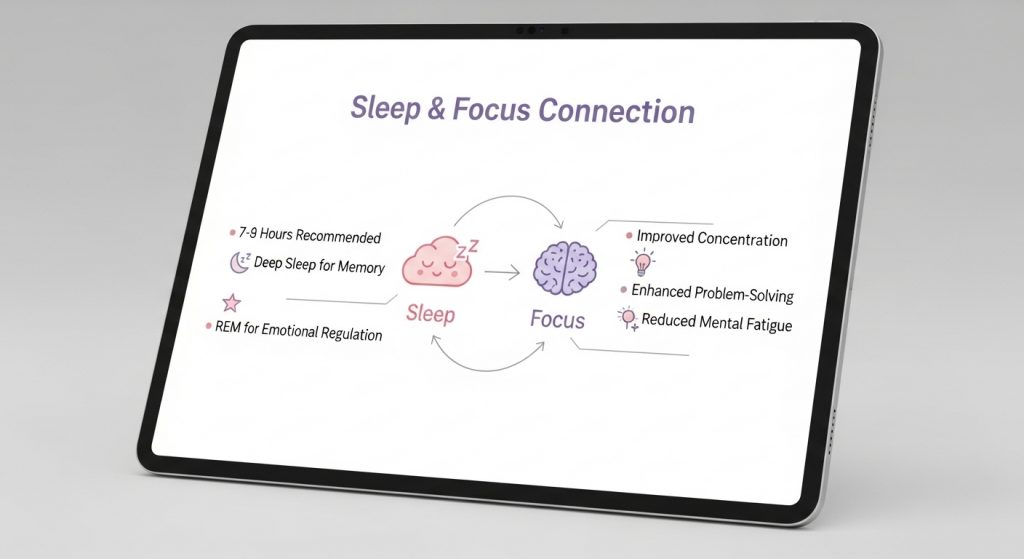
Honor Your Non-Negotiables: Identify 1 – 3 small routines that make you feel human, such as eight hours of sleep or ten minutes of morning silence. For me, this is doing something for myself that I enjoy. These are acts of self-reparenting that provide stability when life feels chaotic. Non-negotiables are the foundational habits that act as self-reparenting rituals to provide internal safety. These can be securing 8 hours of sleep or 10 minutes of morning silence.
These tiny actions are essential deposits into your energy bank, ensuring you feel human even when the outside world feels chaotic. By prioritizing these 1 – 3 routines, you establish a minimum viable reset that reduces decision fatigue and offers you a sense of steady, quiet empowerment. Learning to say no to things that overwhelm you is not a sign of weakness, but a necessary boundary to keep your energy from being further drained.
Reflections for Your Inner Guide

If you have the mental space, consider reflecting on these prompts today:
- What is one small act of care that felt most nourishing this week?
- If I trusted my body’s need for rest right now, what is the first thing I would cancel?
- What is one thing I can let go of right now to create more breathing room?
A Tool for Your Self-Care
If you want to move away from the “stress loop” and start noticing the patterns in your own energy, I have designed a Self-Care Tracker specifically for sensitive and overstimulated minds. It is a gentle, low-spoons-friendly tool that helps you log your daily needs and celebrate your small wins without the pressure of a rigid schedule.
Which of these steps feels most supportive to you today? We would love to hear from you in the comments! What is one way you are choosing to honor your energy today? Share your thoughts so our quiet little community can support each other in blooming at our own pace.
Leave a Reply